As the world celebrates the beauty of nature, we often find ourselves fascinated by the majestic flamingos that roam our planet. Their striking pink feathers are a sight to behold, and their unique mating rituals only add to their charm. However, there is a lesser-known aspect of these birds’ lives that is just as remarkable: the impact of motherly love on their plumage.
Flamingo mums, in particular, undergo a remarkable transformation when they become mothers. Their bright pink feathers, which are typically a result of their diet rich in beta-carotene, begin to fade as they devote all their energy to caring for their young ones. This dramatic change is not just a physical phenomenon but also a testament to the incredible bond between a flamingo mother and her chick.
As the chick grows and becomes more independent, the mother’s feathers gradually regain their vibrant color. This transformation is not unique to flamingos; many birds experience changes in their plumage during breeding seasons or when they switch from one social group to another. However, the extent of this change in flamingos is truly remarkable, as their entire diet and lifestyle are influenced by their maternal instincts.
But why do flamingo mums lose their pink color in the first place? The answer lies in the way they feed their chicks. Flamingos are omnivores that consume a variety of foods, including small fish, crustaceans, and even algae. When they become mothers, they drastically change their diet to provide their young with the necessary nutrients for growth. This shift in diet leads to a reduction in the beta-carotene levels in their bodies, causing their feathers to lose their pink hue.
The process of chick-rearing is an energy-intensive endeavor that requires flamingos to be highly focused and dedicated. As they exhaust themselves caring for their young, their bodies naturally respond by diverting energy from non-essential functions like feather maintenance. This means that the mother’s feathers become duller as she prioritizes her chick’s well-being.
The fascinating aspect of this phenomenon is not just the physical change itself but also the emotional connection between a flamingo mother and her chick. Flamingos are known for their strong social bonds, and mothers will often form close relationships with each other based on shared experiences like breeding and chick-rearing. This social intelligence is crucial for the survival of their young, as it allows them to coordinate feeding efforts and protect their chicks from predators.
As the chick grows and becomes more independent, the mother’s feathers gradually regain their vibrancy. This change is not just a physical response but also a reflection of the emotional shift within the mother. As her chick becomes self-sufficient, she begins to redirect her energy towards other activities like socializing with fellow flamingos or exploring new feeding grounds.
In conclusion, the transformation of a flamingo mom’s plumage from bright pink to duller tones is an extraordinary phenomenon that highlights the remarkable bond between a mother and her child. As we marvel at these majestic birds, let us not forget the incredible sacrifices they make as mothers – sacrifices that ultimately contribute to the survival and success of their offspring.
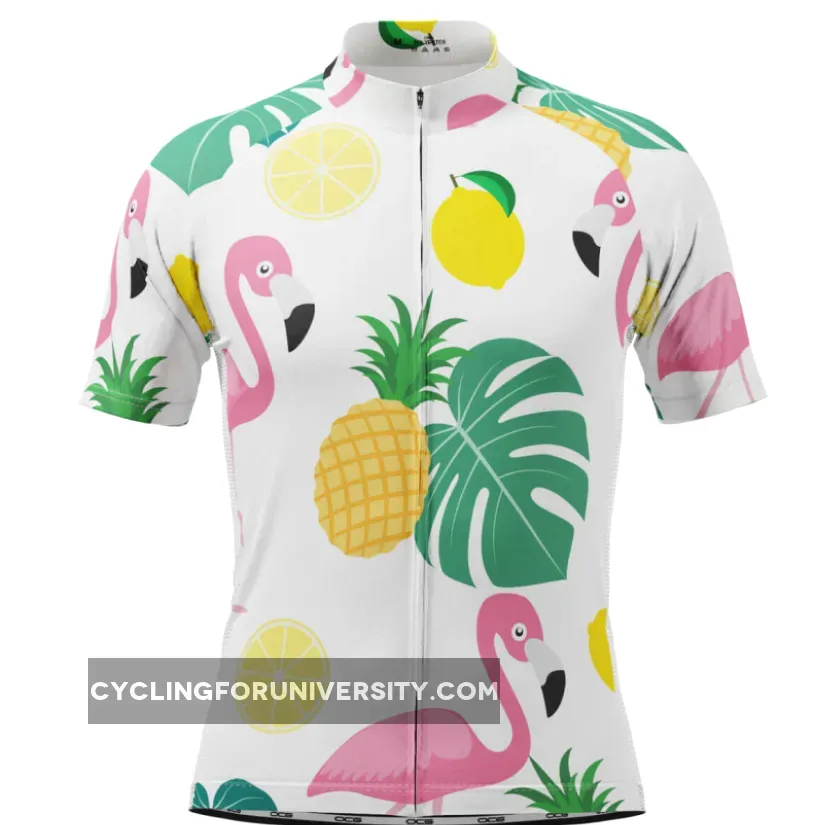 CLICK HERE TO Buy : Men’s Fruity Flamingo Short Sleeve Cycling Jersey / Fruity Men