In the realm of higher education, the pursuit of knowledge often feels like a solitary journey through dense textbooks and abstract concepts. While this intellectual exploration is essential, it begs the question: How can we bridge the gap between theoretical understanding and practical application? How can we ensure that the knowledge we acquire translates into meaningful skills and tangible outcomes?
This is where the unique approach of LMU stands out. While a robust academic foundation forms the bedrock of our learning experience, LMU takes a bold step further by seamlessly integrating research, theory, and practice. This deliberate fusion empowers students to not only comprehend complex ideas but also to translate them into real-world solutions.
The Power of Practical Application
The core philosophy of LMU education is built upon the conviction that learning should be actively engaged, not passively consumed. This translates into a curriculum that goes beyond the confines of the classroom, encouraging students to engage in real-world experiences that solidify their theoretical knowledge.
Our coursework is meticulously designed to bridge the divide between theory and practice. Courses are meticulously crafted to incorporate practical, field-based assignments, offering students the invaluable opportunity to apply their newfound knowledge to authentic situations. These assignments are not mere academic exercises but rather opportunities to hone problem-solving skills, develop critical thinking abilities, and build confidence in navigating real-world challenges.
From Theory to Practice: A Seamless Transition
This emphasis on practical application is evident in the diverse range of learning opportunities offered at LMU. Here are a few examples of how this unique approach manifests:
-
Field Trips and Site Visits: Stepping out of the classroom and into the heart of the communities we serve, students engage in field trips and site visits that provide firsthand insights into real-world challenges and innovative solutions. These experiences expose students to diverse perspectives and encourage them to apply their knowledge within a tangible context.
-
Internships and Practicums: These opportunities provide students with invaluable hands-on experience, allowing them to apply their theoretical knowledge in a professional setting. Working alongside experienced professionals, students gain practical skills, develop professional networks, and build their confidence in their chosen field.
-
Community Engagement Projects: LMU strongly encourages students to actively contribute to their communities through service-learning projects. This experiential learning model allows students to apply their skills and knowledge to address real-world social issues, fostering a deep sense of purpose and making a tangible difference.
-
Case Studies and Simulations: These exercises provide students with a platform to explore complex scenarios and apply their knowledge to realistic situations. Analyzing case studies and participating in simulations, students develop critical thinking skills, hone their problem-solving abilities, and learn to make informed decisions in high-pressure environments.
The Benefits of Integration
The integration of research, theory, and practice at LMU offers a multifaceted approach to learning that yields significant benefits for students:
-
Enhanced Critical Thinking and Problem-Solving Skills: By grappling with real-world challenges and applying their knowledge to practical scenarios, students develop sharper critical thinking skills and become more adept at identifying and solving complex problems.
-
Increased Confidence and Employability: The hands-on experience gained through practical assignments and field-based learning strengthens students’ confidence and makes them highly competitive in the job market.
-
Fostering a Sense of Purpose and Social Responsibility: Engaging in service-learning projects and community engagement initiatives instills in students a deep sense of purpose and social responsibility, encouraging them to contribute meaningfully to their communities.
-
Developing a Holistic Understanding: By connecting theoretical concepts to real-world applications, students gain a deeper and more holistic understanding of their chosen field, enabling them to see the bigger picture and make informed decisions.
A Legacy of Real-World Impact
LMU’s commitment to bridging the gap between theory and practice has resulted in a legacy of graduates who are equipped to not only succeed in their chosen careers but also to make a meaningful impact on the world. Our alumni embody the spirit of LMU, demonstrating their ability to translate their academic knowledge into real-world solutions and positive social change.
Beyond the Textbook: Shaping the Future
The pursuit of knowledge is a continuous journey. At LMU, we believe that the true measure of education lies not only in the depth of our understanding but also in our ability to translate that knowledge into meaningful action. We strive to cultivate a learning environment that empowers students to become not just knowledgeable individuals but also effective agents of change, equipped to tackle the complexities of the 21st century and beyond.
Through the seamless integration of research, theory, and practice, LMU stands out as an institution that goes beyond the confines of traditional education, fostering a vibrant learning environment where knowledge is not just acquired but applied, where ideas are not simply explored but brought to life, and where students are not just prepared for the future but empowered to shape it.
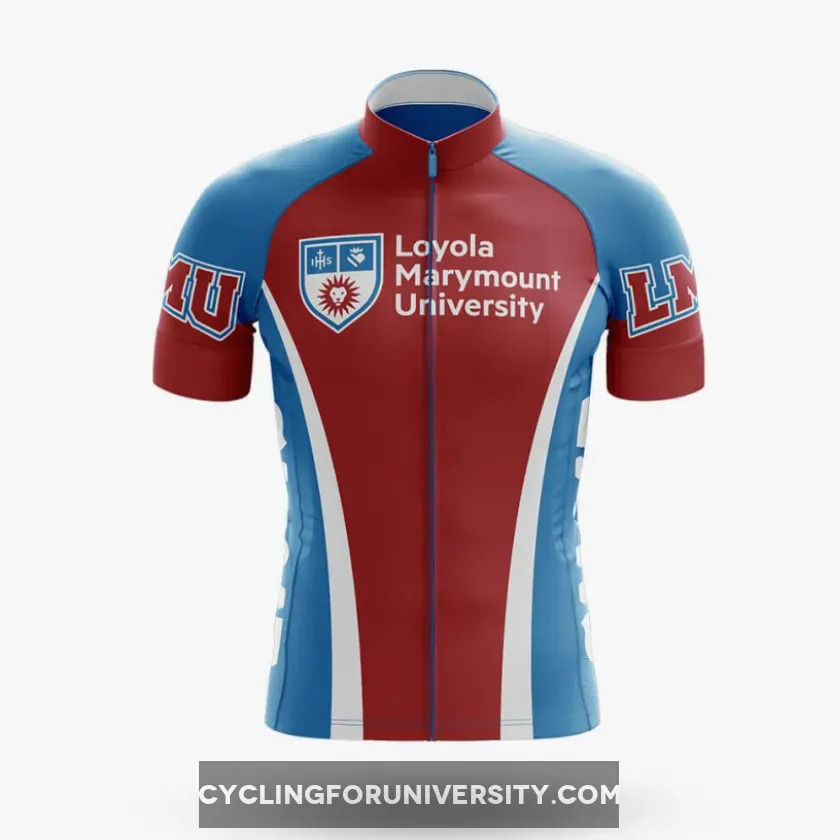 CLICK HERE TO Buy : Loyola Marymount University – Men’s Cycling / Jersey Only