Competitive races demand performance from every element, including attire. Race bibs play a crucial role in identifying participants and ensuring safety, but choosing the right material is vital for optimal functionality and comfort.
Tyvek: The Popular Choice
Tyvek stands out as the most widely used material for race bibs. This is due to several key advantages:
- Waterproof: Keeps runners dry in wet conditions.
- Tear-proof: Can withstand the inevitable bumps and scrapes during a race.
- Durable: Can handle repeated washes and multiple races without degrading.
- Lightweight: Provides comfort without adding unnecessary bulk.
Alternative Materials
While Tyvek is the industry leader, other materials are available for race bibs, each with their own unique properties:
- Nylon: Lightweight and breathable, but less durable than Tyvek.
- Polypropylene: Similar to Tyvek in properties, but slightly heavier.
- Polyurethane laminate: Provides additional wind and water resistance.
Factors to Consider When Choosing a Fabric
When selecting a fabric for race bibs, runners should consider:
- Race conditions: Waterproofing, breathability, and temperature regulation are crucial factors depending on the environment.
- Durability: The material should be able to withstand the physical demands of the race.
- Weight: Lightweight fabrics are more comfortable for runners.
- Cost: Different materials have varying price points.
Conclusion
Choosing the right fabric for race bibs is an important decision for runners. By considering the factors mentioned above, runners can select the ideal material for their needs, ensuring comfort, safety, and performance during their next race.
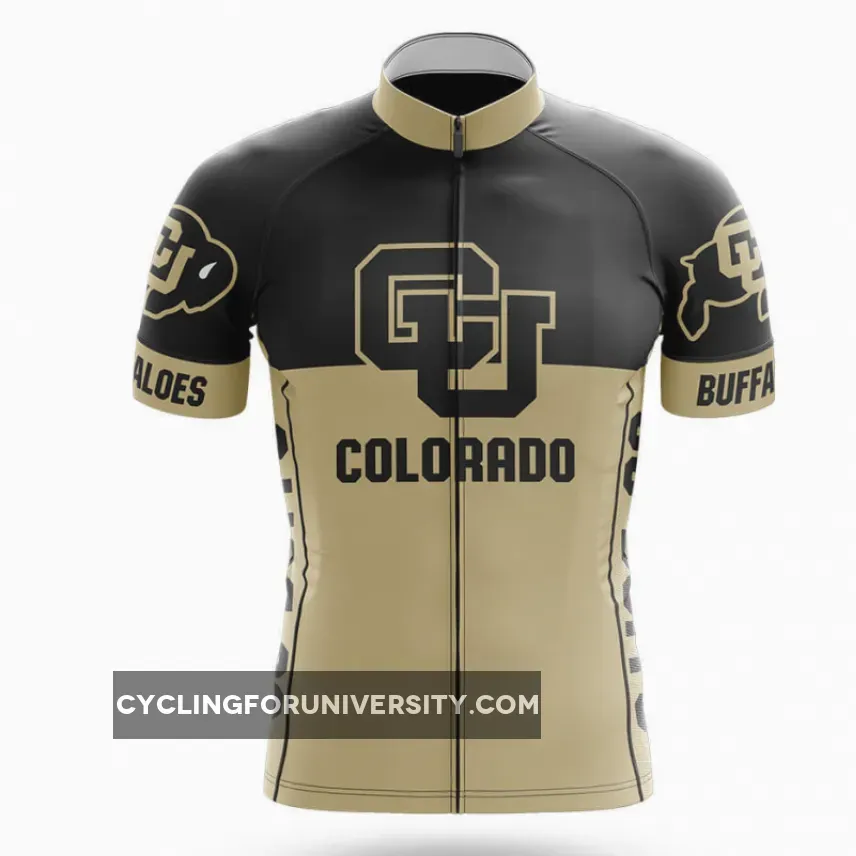 Buy From: University of Colorado Boulder V2 – Men’s Cycling / Jersey Only #Boulder Bibs