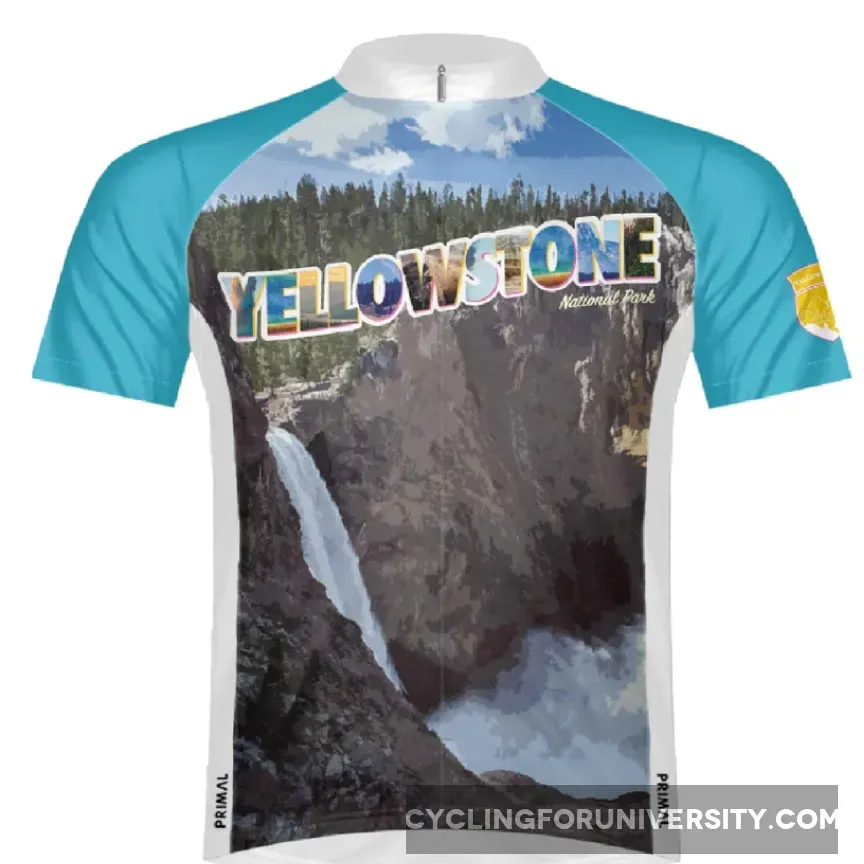
Yellowstone National Park, renowned for its geysers, hot springs, and diverse wildlife, also offers a unique cycling experience. With over 1,000 miles of scenic park roads, bikers can explore this natural wonder while taking in the breathtaking views. But when is the best time to pedal through America’s most iconic national park? As it turns out, timing is everything.
Spring Fling: Minimal Traffic and Perfect Conditions
The answer lies in the spring season. After a long winter, Yellowstone’s roads are plowed and snow removal complete by late April or early May. This marks the beginning of an ideal period for cycling enthusiasts. With fewer vehicles on the road, bikers can enjoy a peaceful ride from Mammoth to the West Entrance with minimal traffic interruptions.
During this time, the park’s scenic routes take on a picturesque quality. As the snow melts and wildflowers bloom, the landscape transforms into a stunning canvas of colors. The gentle spring weather, characterized by mild temperatures and clear skies, provides an ideal setting for a leisurely ride.
Summer Cycling: Be Prepared for Crowds
While summer is peak tourist season in Yellowstone, it’s not necessarily the best time to cycle. As the park opens up to visitors from around the world, roads become congested with vehicles, making it challenging to enjoy the scenery and wildlife viewing. However, if you’re willing to brave the crowds, summer offers an unparalleled cycling experience.
The warm weather and long days create perfect conditions for a day-long ride or multi-day excursion. Be prepared for the possibility of encountering traffic jams, especially around popular attractions like Old Faithful and the Grand Prismatic Spring. To minimize frustration, consider visiting during the early morning or late evening hours when roads are generally less congested.
Fall Frenzy: Cooler Weather and Fewer Visitors
Autumn is another excellent time to cycle in Yellowstone. As the summer crowds dissipate, the park takes on a serene quality, with fewer visitors and more opportunities to spot wildlife. The cooler weather, characterized by mild temperatures and crisp air, makes for a comfortable ride.
The fall foliage creates a kaleidoscope of colors against the park’s unique geological backdrop. With fewer vehicles on the road, you’ll have ample opportunity to take in the breathtaking views without distraction. As the season progresses, snowflakes begin to fall, signaling the end of the cycling season.
Winter Cycling: A Challenge for Experienced Riders
For experienced cyclists and those seeking a true adventure, winter offers a unique cycling experience. With the park roads closed to vehicle traffic during the winter months (usually mid-December to mid-March), bikers can enjoy an almost solitary ride amidst the snow-covered landscape.
This challenging terrain requires specialized equipment and knowledge of winter cycling techniques. As the temperature drops, you’ll need to dress in layers and be prepared for potential whiteout conditions. If you’re up for the challenge, Yellowstone’s winter landscapes offer a one-of-a-kind cycling experience.
Conclusion: Timing is Everything
When it comes to cycling in Yellowstone, timing is everything. Depending on your preferences and riding style, the spring, summer, fall, or even winter seasons offer unique experiences. Whether you prefer minimal traffic, breathtaking views, or the thrill of riding through snow-covered landscapes, Yellowstone has something for every cyclist.
So, plan your trip accordingly, and get ready to pedal through America’s most iconic national park. With a little planning and preparation, you’ll be treated to an unforgettable cycling adventure in Yellowstone.