When it comes to national symbols, flags are often more than just a simple piece of fabric waving in the wind. They can evoke emotions, represent history, and unify people under a common identity. Norway’s flag is no exception. With its striking red and blue design, adorned with a white Scandinavian cross, this emblem has been flying high since 1821. But what lies behind the Nordic charm of Norway’s flag?
Firstly, let’s start with the colors themselves. The red represents courage, strength, and sacrifice – values deeply rooted in Norwegian culture. This might seem surprising, given that Norway is known for its peaceful nature. However, this color choice dates back to the Viking era when bravery was a key virtue. Fast-forward to the 19th century, and these same colors were adopted as a symbol of national pride during the country’s struggle for independence from Denmark.
Now, let’s take a closer look at the Scandinavian cross itself. Also known as the Nordic cross, this design element is shared by several Scandinavian countries, including Norway, Sweden, and Denmark. The white border represents purity and innocence, while the shift of the vertical part towards the hoist side – a nod to the Dannebrog (the Danish flag) – signifies the close historical ties between these nations.
The Scandinavian cross has its roots in medieval times, when it was used as a symbol of Christianity. Over time, this design became an integral part of Nordic identity and culture. In Norway’s case, the flag’s designers aimed to create a symbol that would unite the country under one banner, fostering national pride and solidarity.
As you gaze upon the flag, you might notice its striking resemblance to the Dannebrog – a deliberate choice made by Norwegian flag designers. This isn’t surprising, given the historical ties between the two nations. Norway was once part of Denmark, and their shared cultural heritage is still evident today. The shift towards the hoist side serves as a reminder of this connection, symbolizing the strong bonds between the two countries.
In addition to its design elements, Norway’s flag has played an important role in the country’s history. During World War II, the flag became a powerful symbol of resistance against Nazi occupation. When the Germans invaded Norway in 1940, the Norwegian government-in-exile continued to use the flag as a beacon of hope and defiance. Today, it remains a potent symbol of national identity and resilience.
Beyond its historical significance, Norway’s flag has also become an integral part of everyday life. You’ll find it waving proudly at government buildings, embassies, and even in private homes. The flag is often flown during national celebrations, such as Constitution Day (May 17th) or Independence Day (May 17th).
As you explore the charming country of Norway, you might notice that its flag is an integral part of its landscape – from the fjords to the mountains, and even in the bustling cities. Whether it’s a majestic mountain range or a quaint fishing village, the Norwegian flag often takes center stage.
In conclusion, Norway’s flag is more than just a simple piece of fabric waving in the wind. It represents a rich history, cultural heritage, and national identity that unites people under one banner. The Scandinavian cross, with its striking red and blue design, has become an iconic symbol of Norwegian pride – a beacon of hope, courage, and resilience that continues to inspire generations.
So, what’s behind the Nordic charm of Norway’s flag? It’s a story of history, culture, and national identity – all wrapped up in a single, striking design that has captured hearts for centuries.
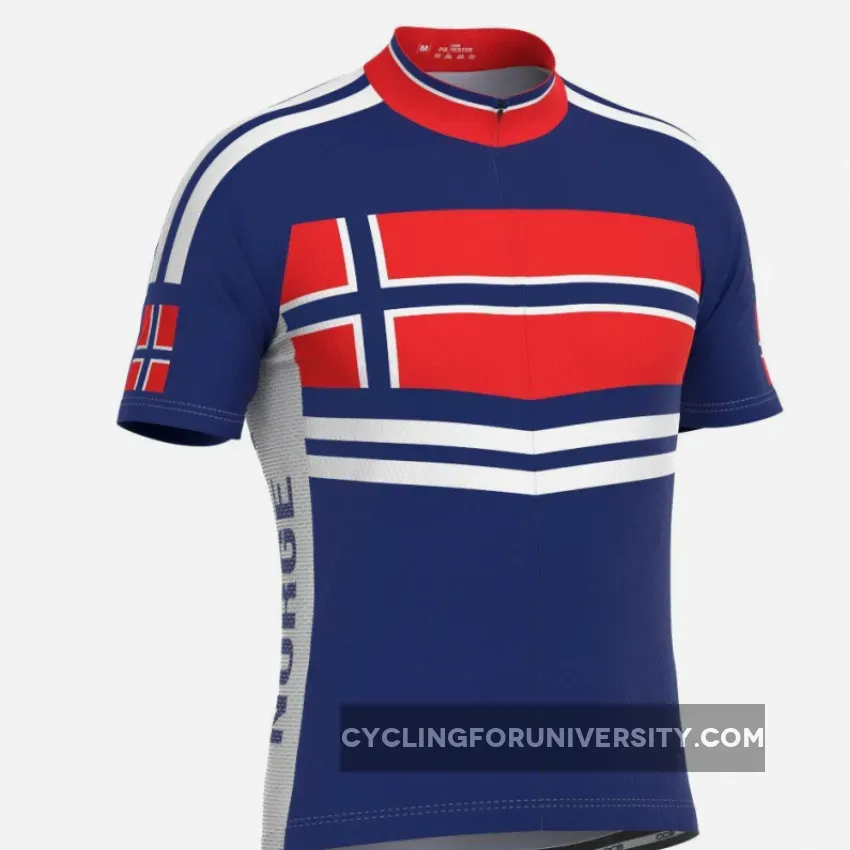 Buy From: Men’s Norway Norge Flag Short Sleeve Cycling Jersey Norway Jersey